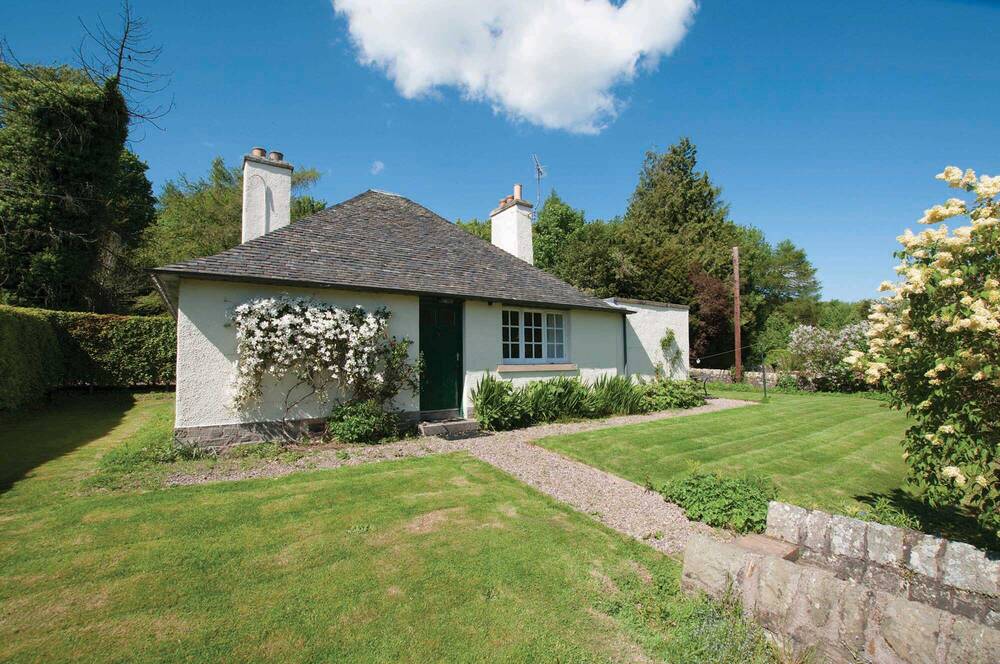
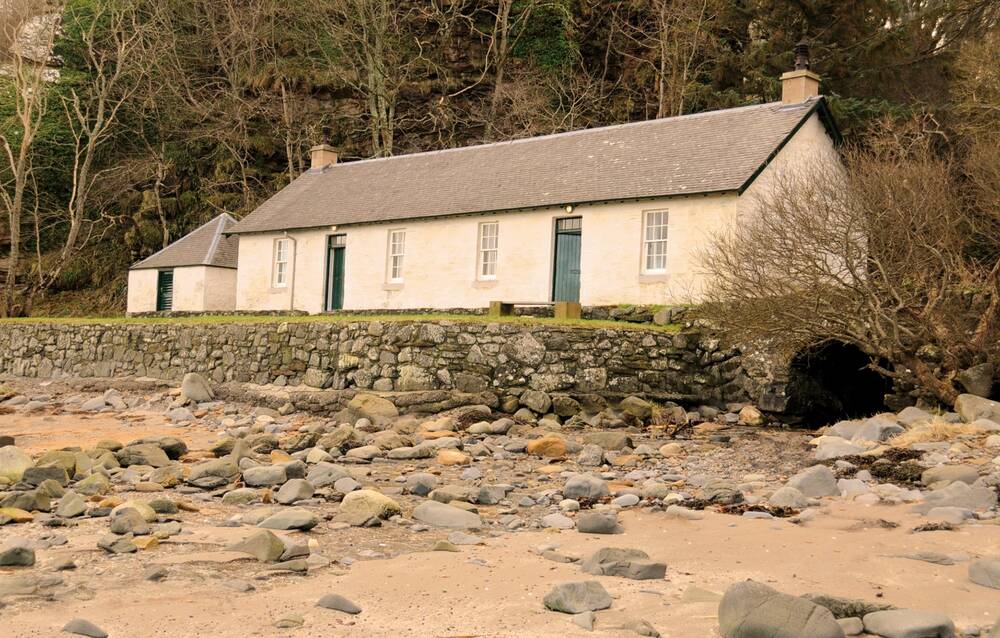
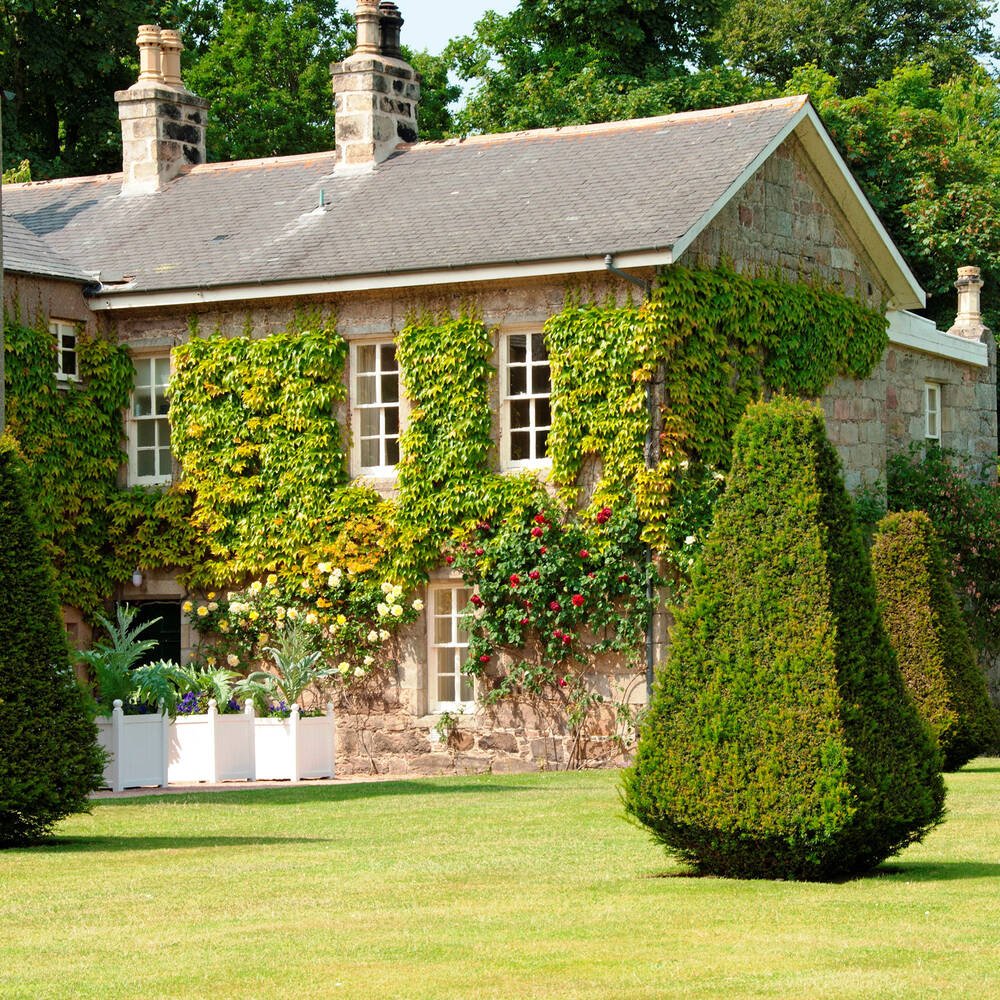
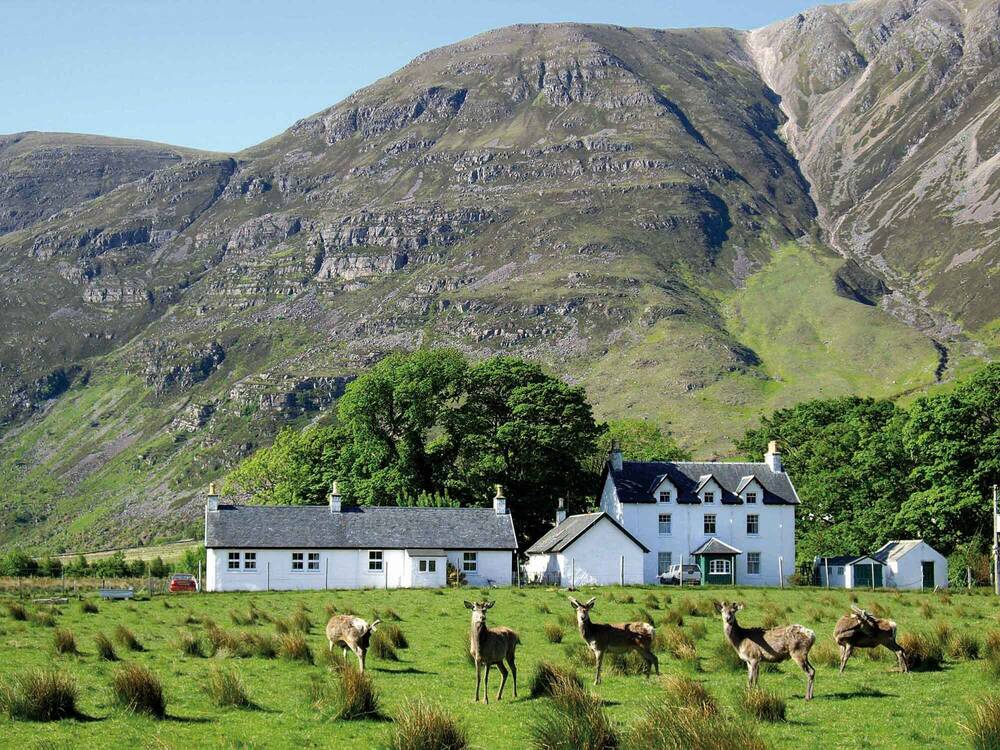
North Ronaldsay's spectacular location and ferocious seas give the island a wonderful romantic history of shipwrecks, treasure troves, rescues and skilful seamanship. The loss of the Swedish East Indiaman Svecia in 1740 led to North Ronaldsay getting one of the four first lighthouses in Scotland in 1789. The remains of that building, The Old Beacon (famous from the BBC Restoration programme) is the iconic symbol of the island, its light replaced by a stone ball. The lighthouse on the higher ground, the tallest on UK land was built by Alan Stevenson in 1854 and beside you will find the cottage which has been restored and furnished to a very high standard and has an open fire.
Accommodation details:
Sleeps 4. Accommodation comprises: One double and one twin bedroom. We regret to advise you that there is no sofa bed in either of the lighthouse properties. The property has a kitchen with dishwasher, microwave and cooker. Bathroom with bath only. The washing machine, drier and pulley are in the utility room to the side of the cottage to be shared by Lighthousekeepers' Cottage 1 and 2. Services: Open fires and oil central heating, water heated by immersion.
Additional information:
The cottage is on ground floor level and is suitable for some mobile impaired. There is a disabled access ramp to the cottage as well as a fully accessible toilet and shower. The area is not hazardous for children (i.e no cliffs) and dogs on leads are welcome. The island is home to 2,700 sheep of the 5,000 year old North Ronaldsay breed, so your care with dogs would be appreciated.
Food orders can be taken (please let us have them two weeks in advance) and it will be delivered to your fridge for your arrival. This could include local lamb, as well as general groceries.
If you are interested in a larger group/family booking, additional accommodation is available at North Ronaldsay Lighthousekeepers’ Cottage 2 which is next to this cottage and accommodates 4 guests as well.
The houses are open all year round. Fifteen minute flight three times a day from Kirkwall operated by Loganair or a 3-hour ferry trip again from Kirkwall operated by Orkney Ferries. The ferry runs on a Friday, and therefore both properties are available Friday to Friday, though short breaks in the winter will be flexible on arrival and departure days.
About the area:
The remoteness has preserved much of the traditional way of life and the 12 mile A listed sheep dyke keeps the 2,700 sheep on the shoreline where they eat the seaweed, making their meat a rare delicacy (which you will have the opportunity to purchase). The population is 60. There is another building some 20 metres away which is the lighthouse keepers' office, and also a shop and tea room with a top-class interpretation of the island, the lighthouses and the community. There is also a small mill where the wool from the local sheep is processed. Felted and knitted items are for sale very reasonably in the shop. The island's position on the bird migration routes has led to the establishment of the island's own bird observatory, a good place to eat in the evenings, and also to join in with the bird log which takes place every night. Arctic terns, redthroats, red-backed shrikes and rosefinches are among the finds. The vibrant local community (which had made the restoration of the Stevenson lighthouse, cottages and Mill possible, and who are working on the Old Beacon) will make guests extremely welcome and should your visit coincide with one of the many concerts, dances and social gatherings that take place there, it is not to be missed. Birdwatching tours, island tours and trips up the lighthouse can all be arranged at an additional cost.
< Less